
7 Shocking Difference Between Lob and Bob Haircuts
Introduction: 7 Shocking Difference Between Lob and Bob
Choosing between a lob and a bob can feel surprisingly overwhelming — both styles are timeless, elegant, and effortlessly trendy. But when it comes to finding the perfect haircut that suits your lifestyle, face shape, and hair texture, understanding the subtle but impactful difference between lob and bob is essential.
Whether you’re craving a fresh, low-maintenance chop or a longer, more versatile look, this guide walks you through the key distinctions. With expert insight and styling tips, you’ll feel confident making the right call for your next hair transformation.
Table of Contents
7 Key Difference Between Lob and Bob Haircuts
1. Length
The most obvious difference between lob and bob is the length.
- Bob: Usually ends at the jawline or just above.
- Lob: Reaches the shoulders or slightly below, offering a longer silhouette.
2. Styling Versatility
A lob gives you more flexibility when it comes to styling options.
- Bob: Best suited for sleek, straight looks or minimal texture.
- Lob: Works well with curls, waves, buns, or ponytails.
3. Maintenance Needs
Maintenance is another key difference between lob and bob styles.
- Bob: Requires frequent trims to keep its defined shape.
- Lob: Grows out gracefully and can go longer between salon visits.
4. Face Shape Compatibility
While both cuts can be customized, face shape matters.
- Bob: Better for longer or oval faces; may exaggerate roundness.
- Lob: Flatters most face shapes by offering length and balance.
5. Texture Adaptability
Texture plays a role in how each cut behaves.
- Bob: Ideal for straight to slightly wavy hair.
- Lob: More forgiving for textured, curly, or thicker hair types.
6. Volume and Movement
Another difference between lob and bob is how they handle body and bounce.
- Bob: Tends to offer more volume at the base.
- Lob: Allows for softer movement and layering throughout the length.
7. Grow-Out Transition
If you’re not ready to commit to short hair, a lob is easier to grow out.
- Bob: May go through an awkward phase as it lengthens.
- Lob: Grows into medium-length styles with minimal effort.
1. Classic Bob
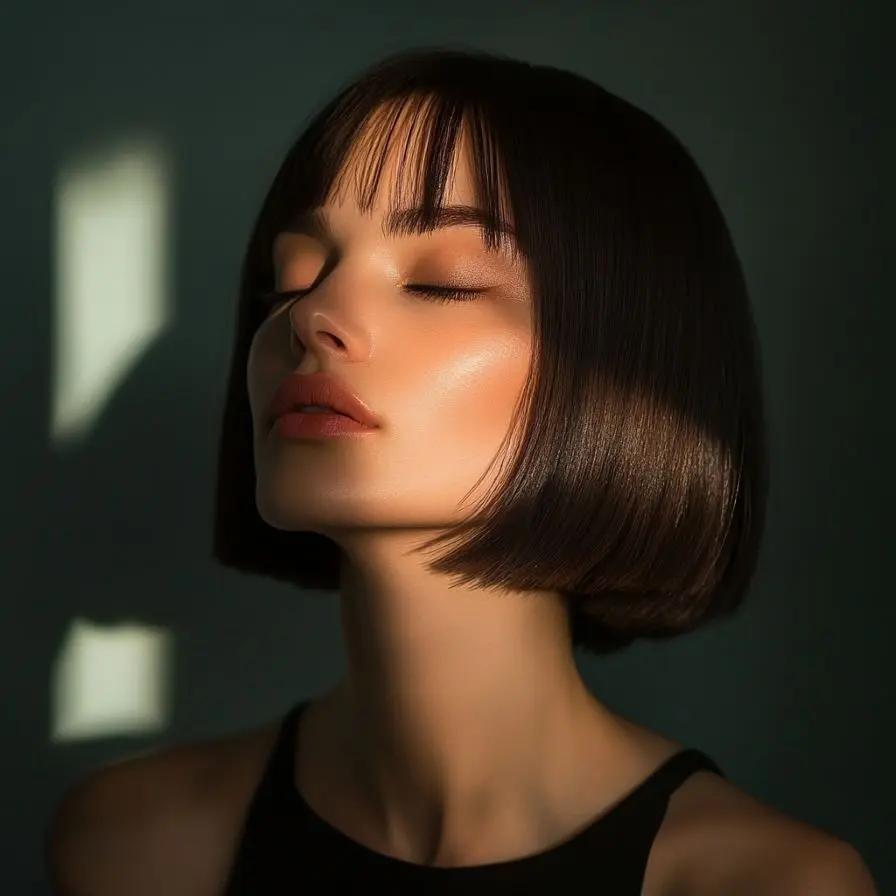
The Classic Bob is a truly timeless haircut that continues to define elegance and simplicity in hairstyling. This jaw-length cut features even edges and a clean silhouette, making it ideal for those who love a polished, sophisticated look. It works wonders on fine to medium hair, enhancing volume through subtle undercutting at the nape and creating the illusion of fuller strands.
When clients are unsure about the difference between lob and bob, I suggest the classic bob if they’re looking for a more structured, face-framing style. Unlike the lob, which drops to shoulder length, this cut sits higher and gives sharper definition to cheekbones and jawlines. Its low-maintenance nature also makes it perfect for busy professionals or anyone wanting a manageable yet fashion-forward haircut.
Styling Tip: For that sleek, mirror-like shine, run a ceramic flat iron through dry hair and finish with a lightweight anti-frizz serum. It’s the quickest way to elevate the look while protecting your ends.
2. Blunt Bob
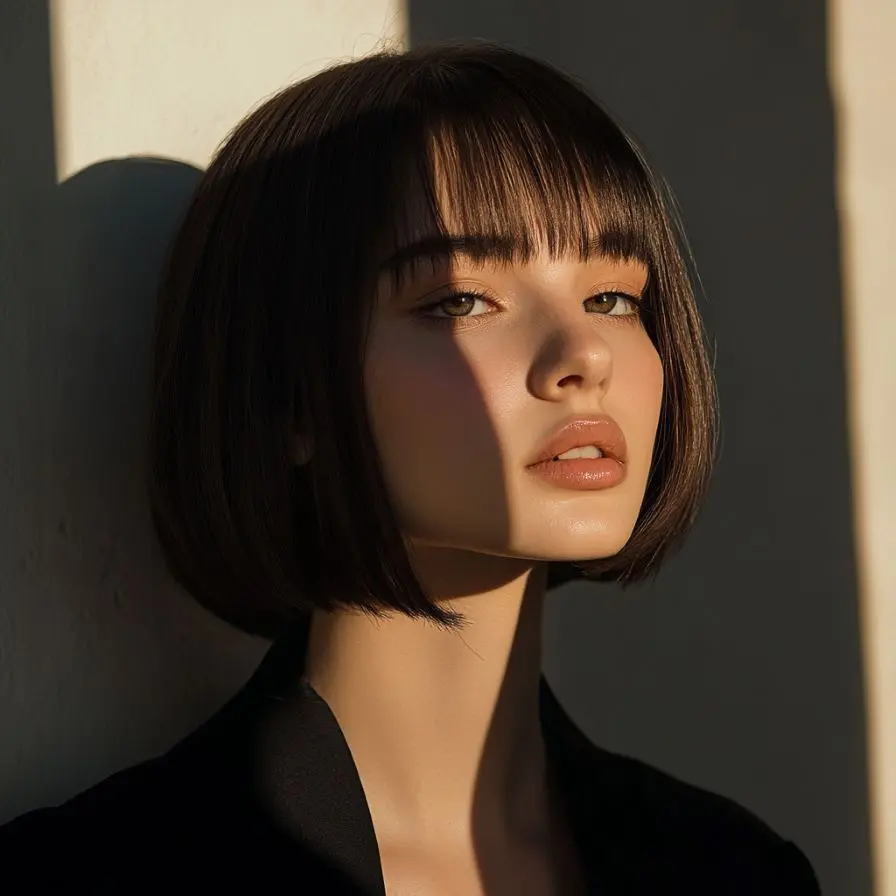
The Blunt Bob is a bold, modern twist on the classic cut, designed for those who love precision and minimalism. This style features hair cut straight across at one length, with no layers or graduation — creating a clean, geometric silhouette that exudes confidence and edge. It’s particularly flattering for straight hair, where the sharpness of the line becomes the star.
Clients often ask me about the difference between lob and bob, and I tell them the blunt bob is a true statement piece. While a lob offers flow and versatility, this cut delivers drama and definition, stopping typically at the jaw or chin to enhance facial symmetry. It’s an ideal choice for anyone seeking a fashion-forward haircut that doesn’t compromise on simplicity.
Styling Tip: Use a heat protectant before blow-drying with a round brush, then tuck one side behind the ear for a sleek, runway-inspired finish.
3. Angled Bob
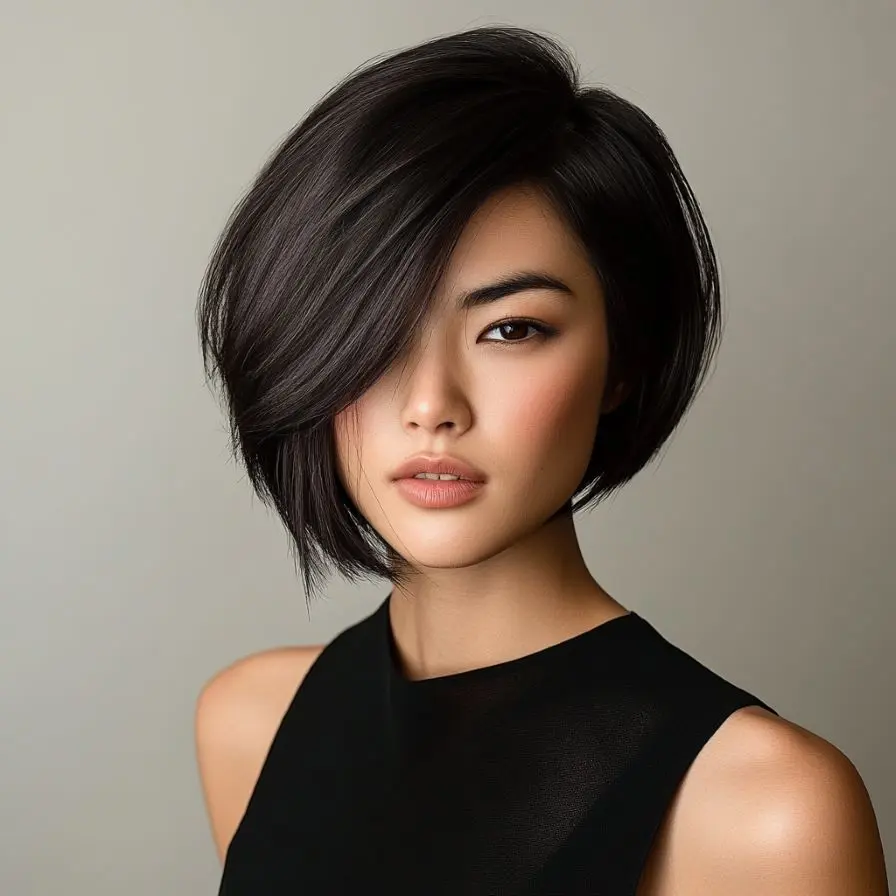
The Angled Bob brings a striking balance of structure and movement. This chic style is cut shorter in the back and gradually lengthens toward the front, creating a sleek forward angle that adds instant sophistication and dimension. It’s perfect for elongating the neck and accentuating the jawline, making it a favorite among clients who want a bit of edge without going too short.
When we talk about the difference between lob and bob, the angled bob is a standout example of how bob hairstyles can be customized for shape and impact. While a lob typically maintains an even length near the shoulders, this style gives you that dynamic silhouette that moves naturally and offers more styling versatility. It works beautifully on straight, wavy, or slightly textured hair.
Styling Tip: To define the angle, blow-dry with a paddle brush in a downward motion and apply a smoothing balm to enhance shine and keep the lines crisp.
4. Textured Bob
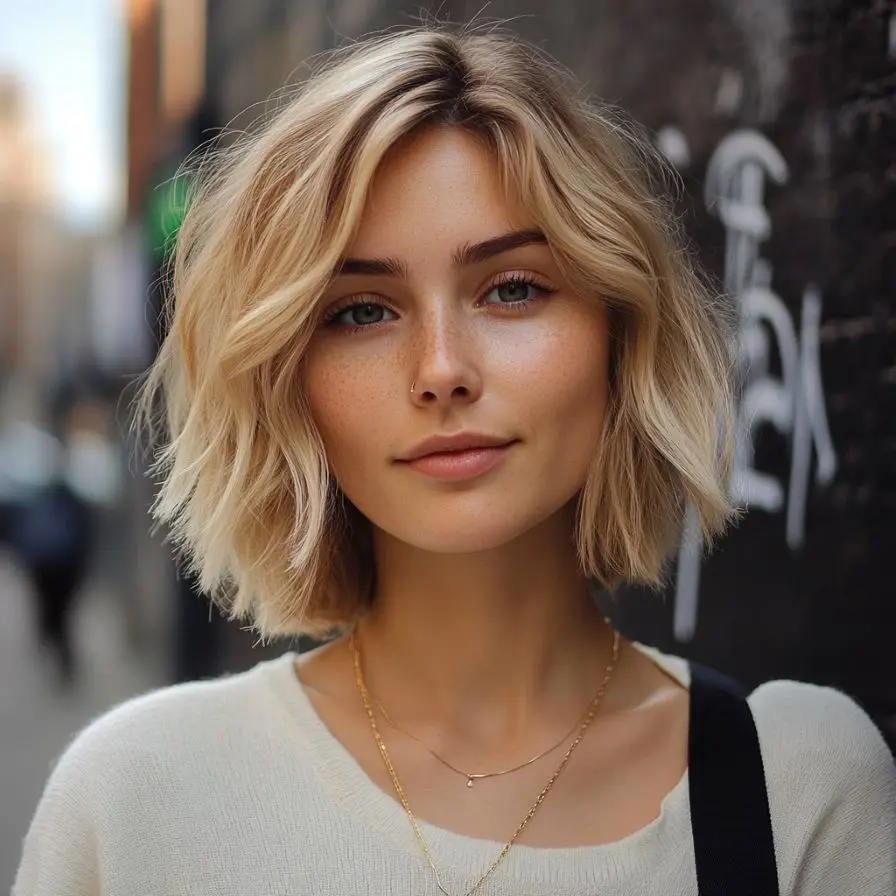
The Textured Bob is all about effortless style and movement. Unlike more structured variations, this version incorporates soft layers, choppy ends, and natural-looking volume to create a lived-in, undone finish. It’s a top choice for those seeking a carefree look that still feels fashion-forward and put together.
When clients ask about the difference between lob and bob, the textured bob stands out as a youthful, versatile take on the classic shape. It differs from the sleeker lob in both length and finish—landing higher than the shoulders and offering a much more relaxed, tousled vibe. This style works especially well for wavy and fine hair, as the texture adds the illusion of fullness without heaviness.
Styling Tip: Mist in a sea salt spray or a texturizing mousse, then scrunch with your hands while blow-drying for that perfect, messy-chic feel.
5. French Bob
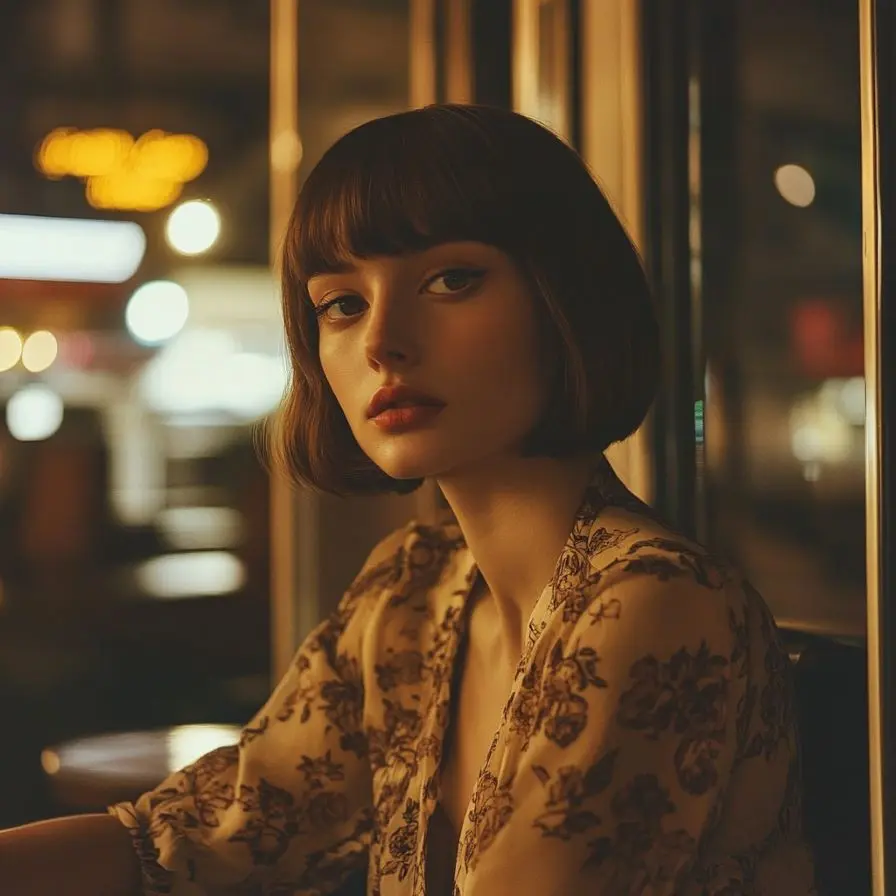
The French Bob is a timeless, Parisian-inspired haircut that oozes sophistication, charm, and just the right amount of attitude. Typically cut at chin-length or slightly above, this style is often paired with a soft fringe (bangs) and a slightly tousled texture that gives it that effortlessly cool, “I woke up like this” vibe.
When discussing the difference between lob and bob, the French bob sits firmly in the bob category due to its shorter length, but it offers a softer, more romantic twist. It contrasts with the longer, more versatile lob by emphasizing face-framing features and evoking an artsy, vintage aesthetic. This haircut works beautifully on oval, heart, and square face shapes, and suits those who love a blend of classic and contemporary.
Styling Tip: Let your natural wave shine through by applying a curl-enhancing cream and air-drying — or give it a light bend with a flat iron for that authentic French flair.
6. Inverted Bob
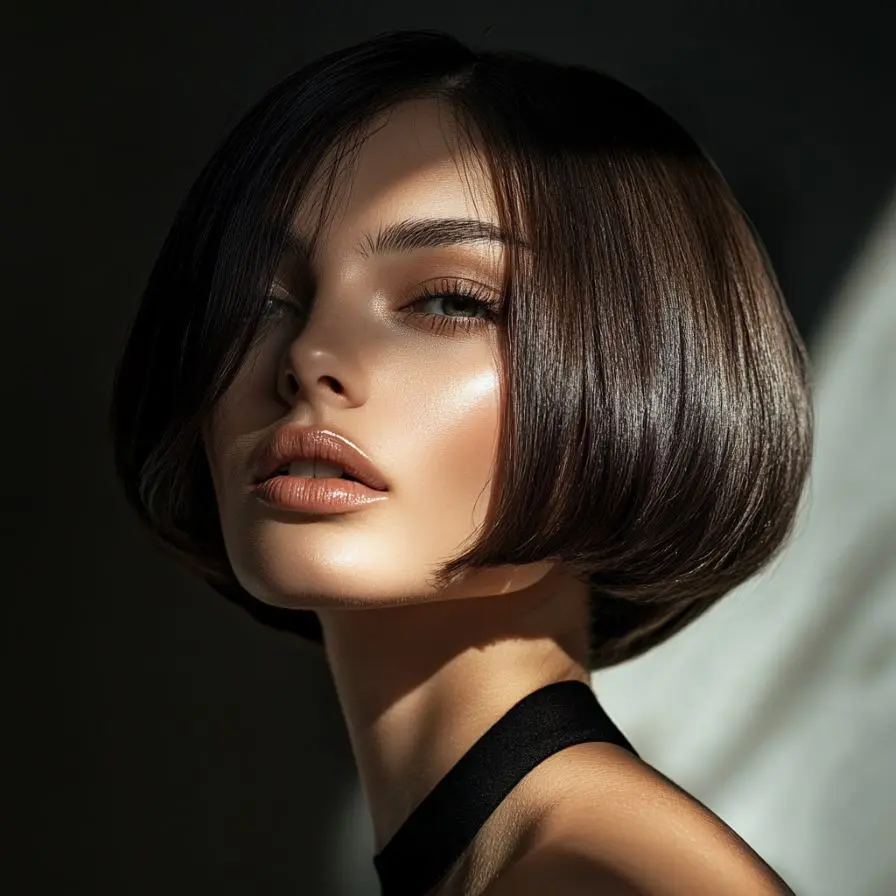
The Inverted Bob is a bold and architectural take on the classic cut, characterized by its dramatic slope — shorter in the back and longer toward the front. This design creates instant lift at the crown and draws attention to the face, offering a beautifully sculpted profile that feels both modern and high-fashion.
Many clients looking to understand the difference between lob and bob are drawn to the inverted bob for its striking structure. Unlike the lob, which maintains a shoulder-length consistency, this bob variation plays with contrasts and angles to achieve a more pronounced, edgy silhouette. It’s especially flattering for round and square face shapes, as it visually elongates and refines the jawline.
Styling Tip: Blow-dry with a round brush to enhance the back volume, and finish the longer front sections with a straightener for a clean, defined edge.
7. Chin-Length Bob
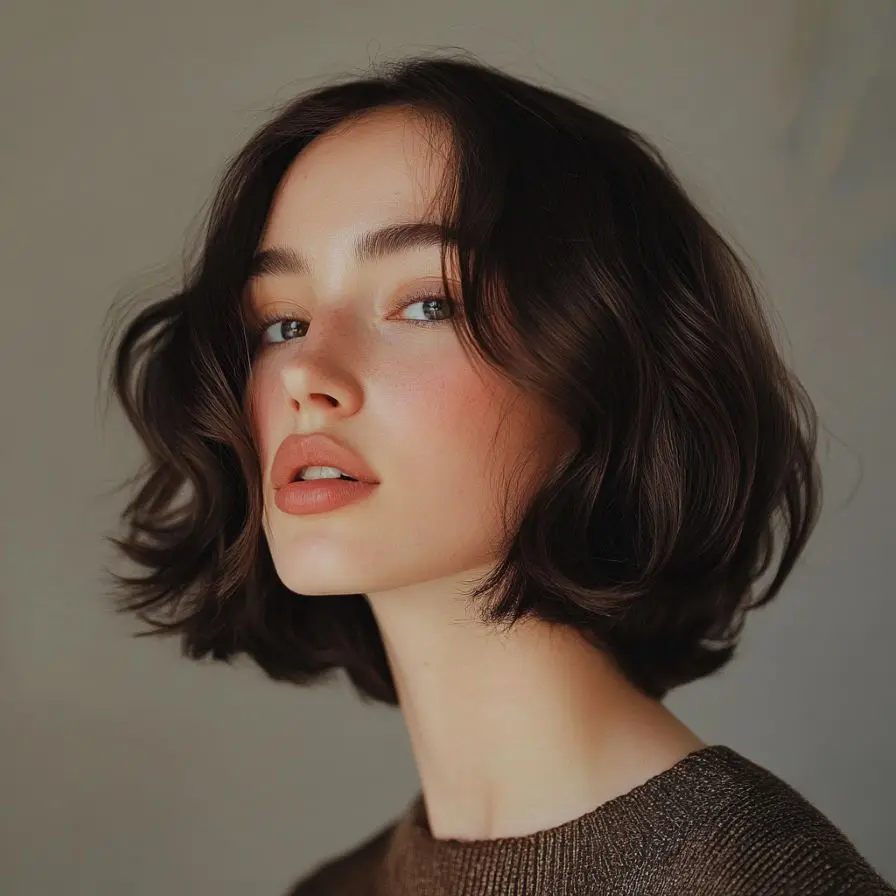
The Chin-Length Bob is a universally flattering cut that delivers a crisp, face-hugging shape with timeless appeal. It sits perfectly at the chin, accentuating your jawline, and offering an instantly youthful, lifted look. Whether worn sleek or slightly tousled, this bob is ideal for those wanting a neat, refined haircut that doesn’t overwhelm their features.
When explaining the difference between lob and bob, I often highlight how the chin-length bob is more structured and compact than the shoulder-grazing lob. It brings the focus upward, making it a fantastic option for those who want to highlight cheekbones, shorten the appearance of a long face, or simply enjoy a fresh, modern look with minimal styling effort.
Styling Tip: Apply a volumizing mousse at the roots and blow-dry with a round brush, curving the ends slightly inward to emphasize the cut’s clean lines.
8. Asymmetrical Bob
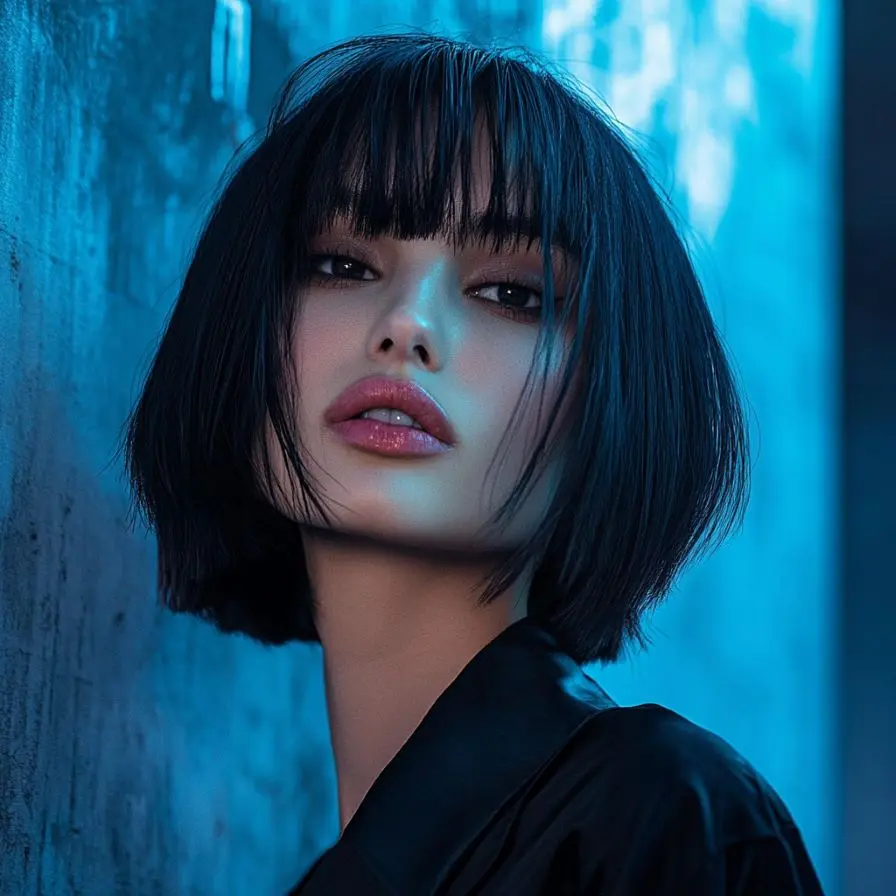
The Asymmetrical Bob is a bold, fashion-forward style that plays with balance and contrast by having one side longer than the other. This intentional unevenness creates an eye-catching silhouette that’s both edgy and artistic, perfect for clients who love to express their individuality through their hair.
When clients ask about the difference between lob and bob, I explain that the asymmetrical bob stands out as one of the most creative bob variations. Unlike the even, elongated lob, this cut offers a clear disruption of symmetry, making it ideal for those who crave movement, flair, and a trendsetting hairstyle. It flatters a variety of face shapes, particularly oval and heart-shaped, by softening angles and drawing attention to the eyes and lips.
Styling Tip: Flat iron the longer side for sleek contrast and tuck the shorter side behind the ear for an ultra-modern, editorial finish.
9. Stacked Bob
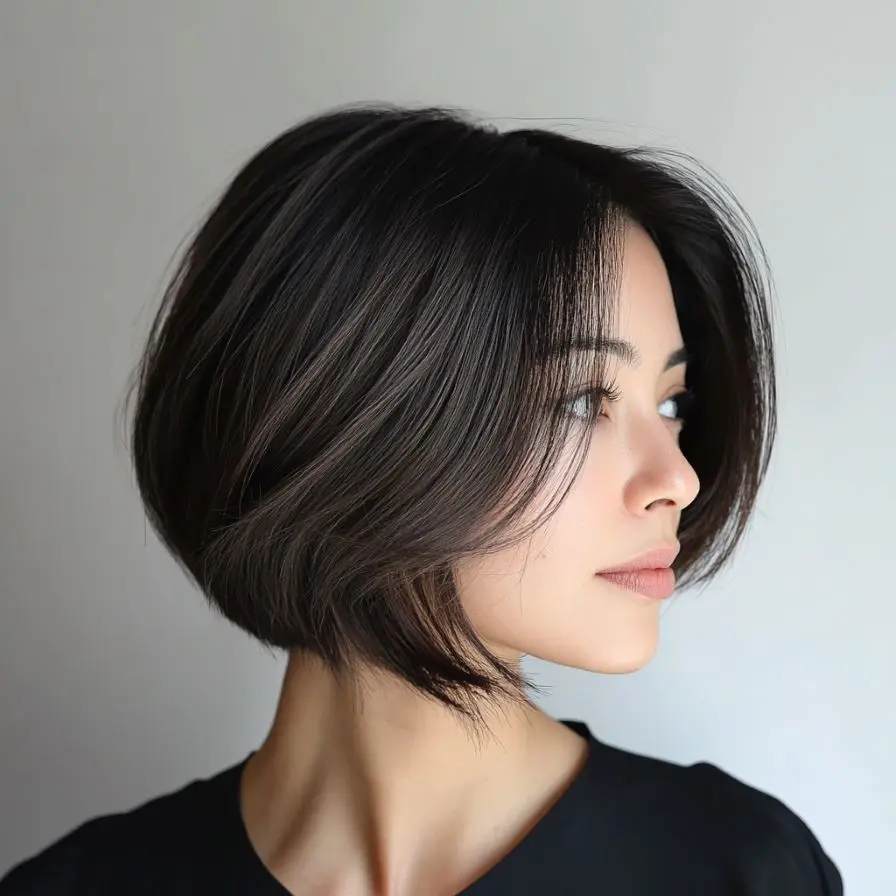
The Stacked Bob is the ultimate volume-boosting haircut, known for its graduated layers at the back that build fullness and shape. With a rounded silhouette that curves naturally along the nape and elongates toward the front, this bob creates a beautiful architectural flow that’s both structured and feminine.
When clients ask me about the difference between lob and bob, the stacked bob is a standout among traditional bob styles because of its emphasis on the back. While a lob typically retains a more uniform, flowing length, this bob brings volume and dynamic layering into the mix. It’s especially effective for fine or thin hair types, giving the illusion of a much thicker, bouncier finish.
Styling Tip: Blow-dry using a round brush at the crown and nape to lift the layers, then add a touch of root-lifting spray to maintain body all day.
10. Micro Bob
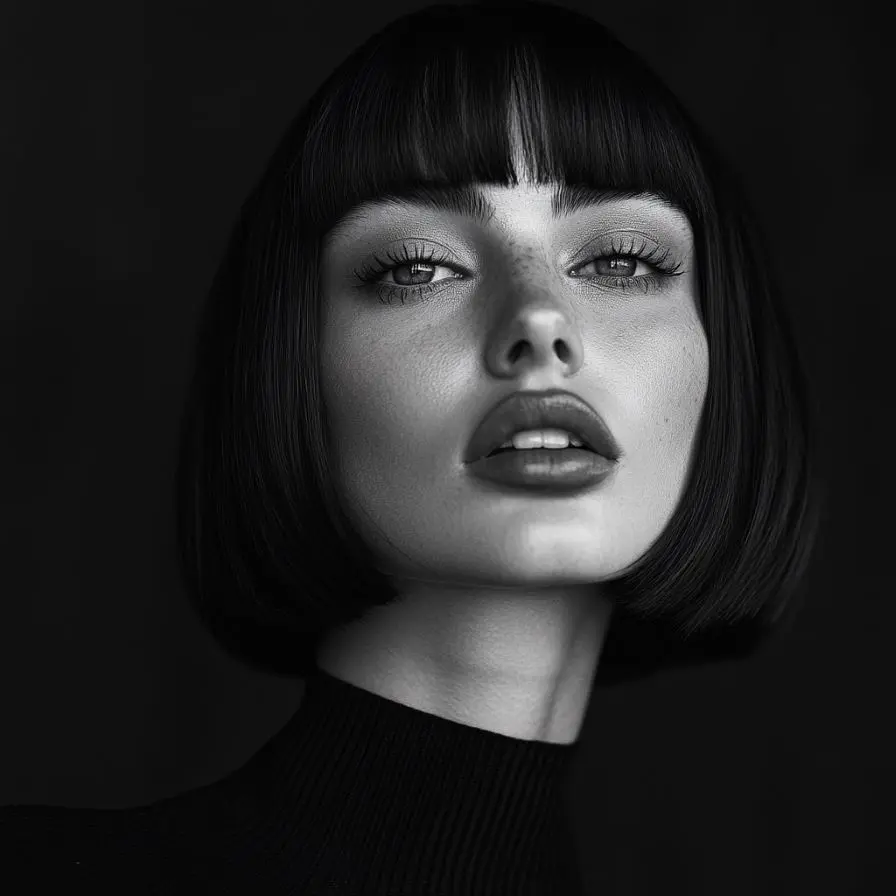
The Micro Bob is a daring, ultra-short take on the traditional bob, typically cut just below the ears or even above the chin. Its minimal length delivers maximum impact, making it a perfect match for those with strong bone structure or a flair for avant-garde style. This cut is sleek, bold, and incredibly easy to maintain — a fashion-forward look that never tries too hard.
Clients often ask me the difference between lob and bob, and the micro bob is a prime example of the shortest end of the bob spectrum. Unlike the lob, which allows for ponytails and waves, the micro bob offers a sharp, stripped-back aesthetic that thrives on simplicity and precision. It flatters oval and heart-shaped faces, and can be customized with bangs or a center part for a striking finish.
Styling Tip: Keep it sleek with a shine-enhancing serum and a flat iron — or let natural texture shine through for a raw, editorial look.
Everything You Need to Know About the Lob Haircut
11. Classic Lob
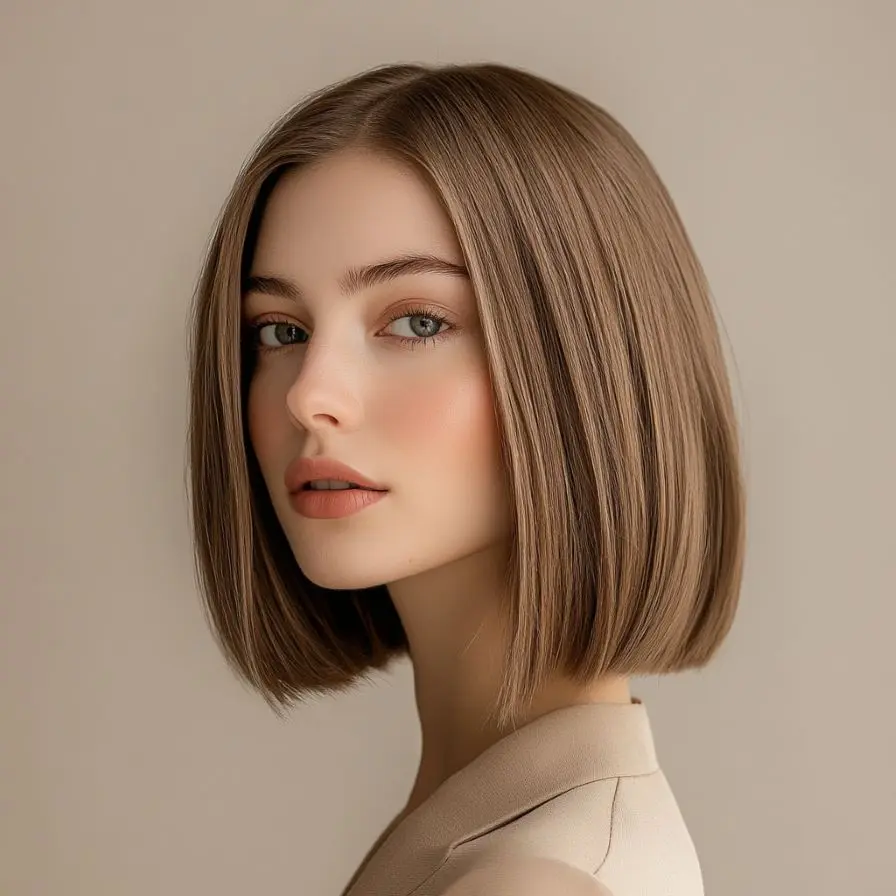
The Classic Lob, or long bob, is the ultimate in understated elegance. Falling just at or slightly below the shoulders, this cut offers the perfect balance between short and long hair — providing enough length for styling versatility, yet short enough for easy maintenance. Its clean, straight edges create a sleek, polished profile, making it a timeless choice for all face shapes.
When clients are unsure about the difference between lob and bob, the classic lob is often my go-to recommendation for those wanting the freedom of longer hair with the structure of a bob. Unlike the chin-grazing bob, the lob’s added length allows for soft waves, ponytails, and updos while still delivering that modern, refined look. It’s especially suited to straight and wavy textures, and works beautifully with subtle layering or a blunt finish.
Styling Tip: Use a large-barrel curling iron to create soft, loose waves, then finger-comb for an effortless, lived-in feel.
12. Blunt Lob
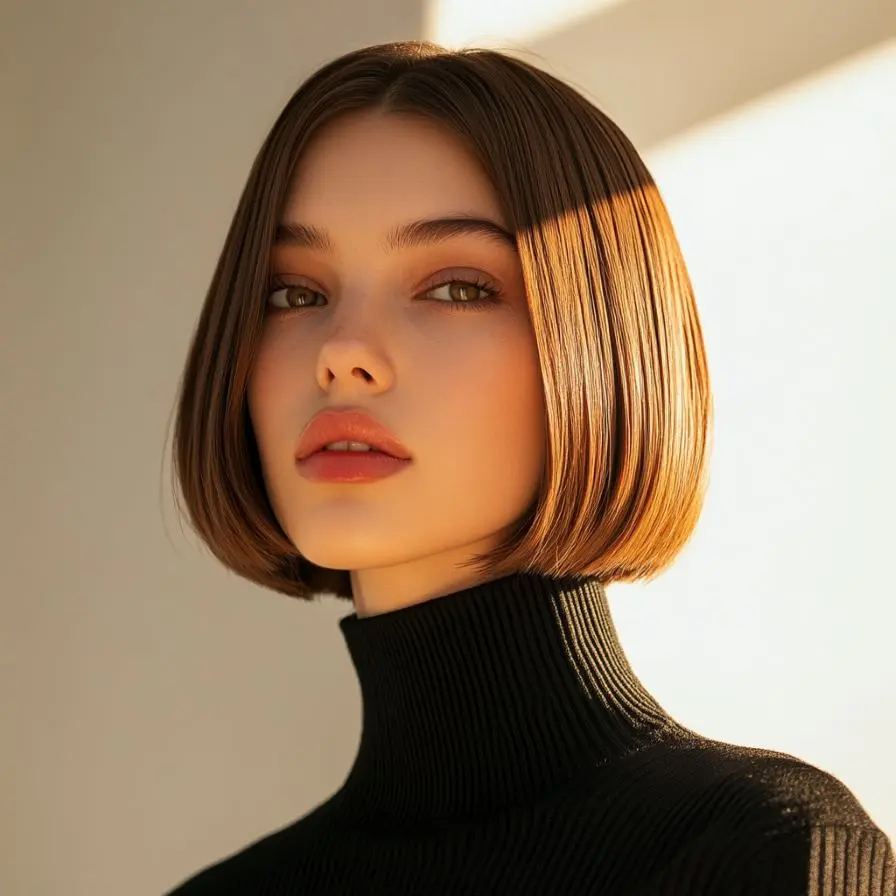
The Blunt Lob is a strong, structured hairstyle that blends the clean lines of a blunt cut with the versatility of lob length. Sitting just at the collarbone, this style delivers a bold yet balanced silhouette — one that’s sophisticated, minimalist, and perfect for anyone who loves a sharp finish with a touch of drama.
When I explain the difference between lob and bob, I describe the blunt lob as the longer sibling of the blunt bob — equally precise, but with more room for movement and styling. Unlike shorter bobs, the lob’s extra length allows for curls, waves, or even a quick low bun. This makes it a favorite among working professionals and style enthusiasts who want a look that’s both polished and practical.
Styling Tip: Blow-dry with a paddle brush for a sleek, glassy effect, and apply a heat-protective straightening cream to lock in that mirror-smooth finish.
13. Wavy Lob
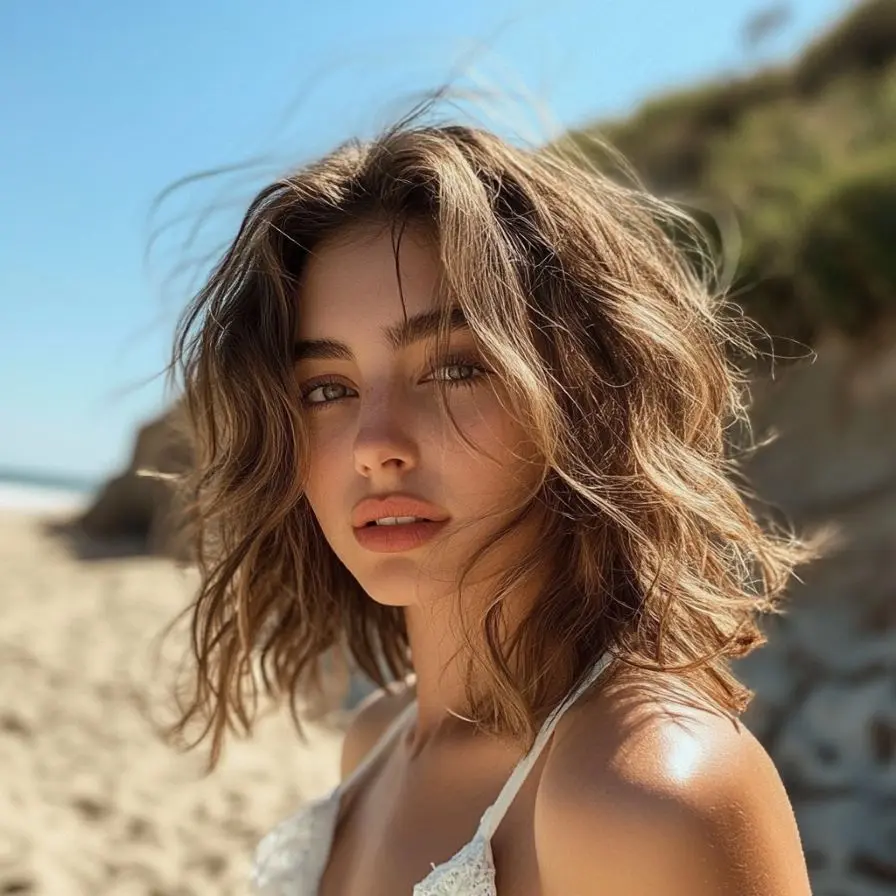
The Wavy Lob is the epitome of relaxed glamour — effortlessly tousled, endlessly flattering, and universally loved. With its shoulder-skimming length and soft, beachy waves, this cut adds volume and movement while maintaining the refined structure of a lob. It’s perfect for anyone craving a casual, breezy look that still feels elevated.
When clients ask about the difference between lob and bob, I often recommend the wavy lob to those who want something a little softer and more romantic. Unlike the traditional bob, which tends to hug the face, this longer style creates a more elongated frame, allowing those waves to cascade just enough to draw attention to the collarbone and shoulders — ideal for oval and round face shapes. It’s also a fantastic choice for naturally wavy or textured hair.
Styling Tip: Spritz on a light sea salt spray, then twist sections with your fingers as you diffuse or air-dry for a carefree, sun-kissed finish.
14. Textured Lob
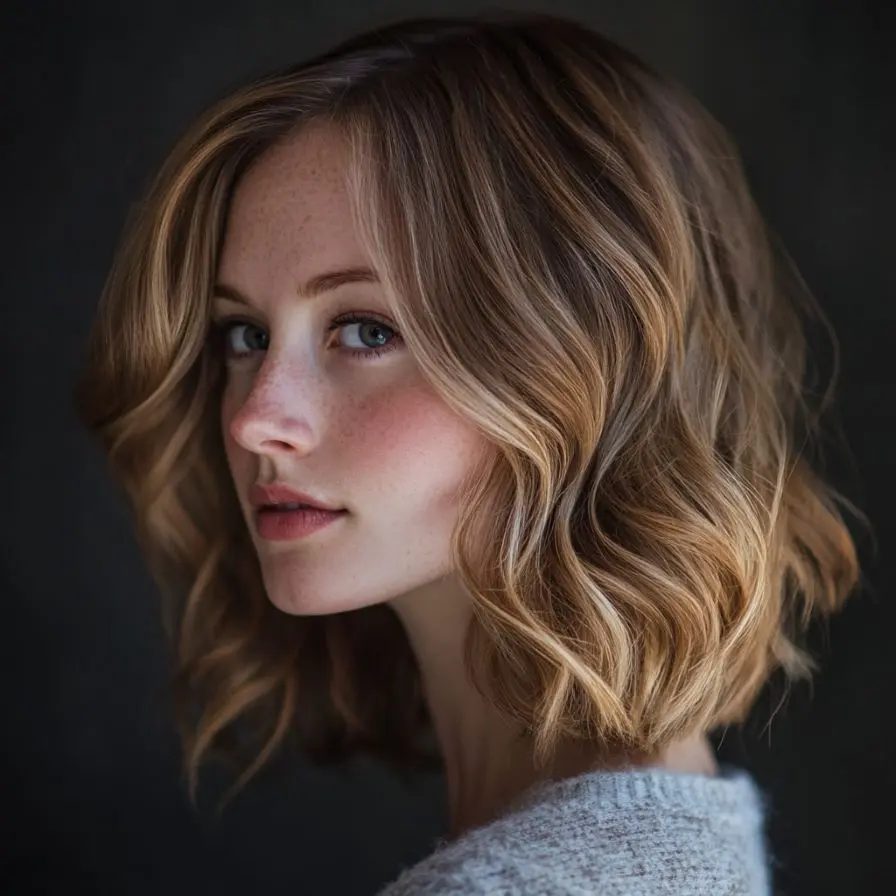
The Textured Lob is a modern favorite for those who love dimension, body, and that perfectly undone look. This style layers texture into the traditional long bob, adding light choppiness, subtle waves, and natural volume throughout. It’s flattering, fuss-free, and incredibly easy to maintain — making it ideal for both busy mornings and stylish evenings.
When discussing the difference between lob and bob, I often point out how the textured lob offers the best of both worlds: the clean structure of a bob with the movement and freedom of longer hair. Unlike a blunt bob that relies on sharp lines, this version celebrates imperfection and is perfect for anyone craving a lived-in, effortless vibe. It’s especially flattering on fine to medium hair, giving it a fuller, more dynamic appearance.
Styling Tip: Use a texturizing spray or dry shampoo at the roots, then scrunch or lightly curl random sections to boost natural separation and volume.
15. Layered Lob
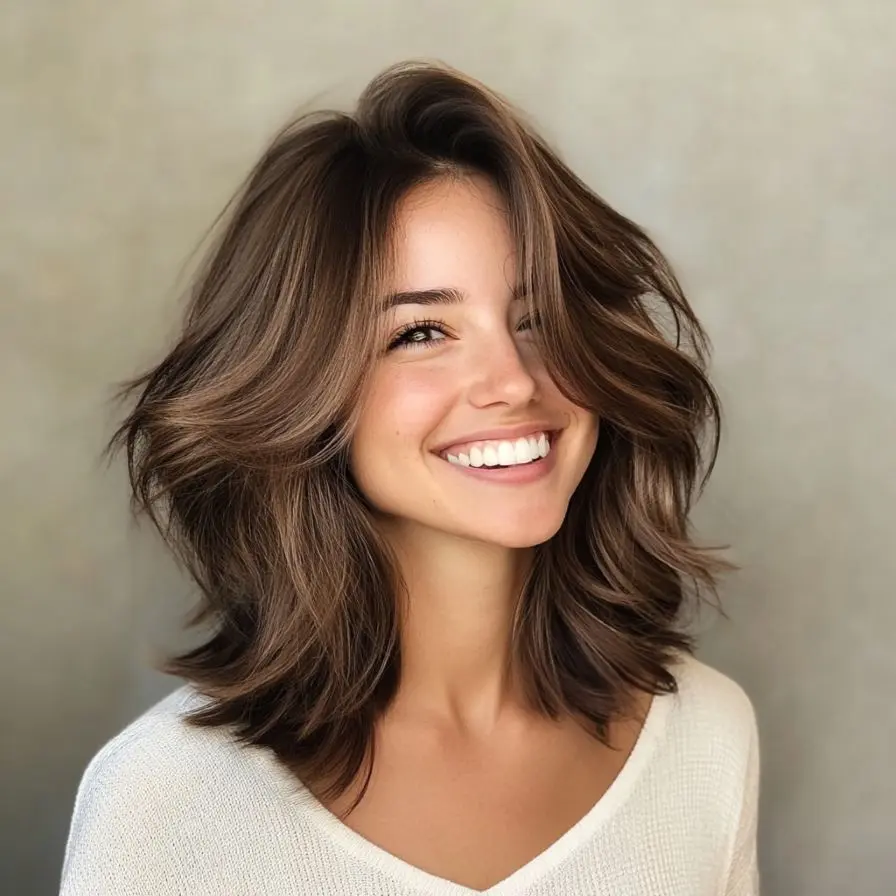
The Layered Lob is all about movement, balance, and a soft, dimensional finish. By adding layers throughout the length, this cut breaks up the uniformity of a traditional lob, resulting in a style that feels lightweight, versatile, and full of natural flow. It’s a smart choice for those looking to reduce bulk or bring shape to thicker hair.
When clients ask about the difference between lob and bob, the layered lob offers a distinct advantage — the longer length allows for more customized layering, which isn’t always possible with shorter bobs. This makes it ideal for anyone seeking a haircut that enhances their hair’s natural texture, softens facial features, and works well with everything from straight strands to beachy waves.
Styling Tip: Blow-dry with a diffuser or air-dry with a bit of layer-defining cream to let the movement shine through — and don’t forget a light spritz of finishing spray to hold those airy layers in place.
16. Asymmetrical Lob
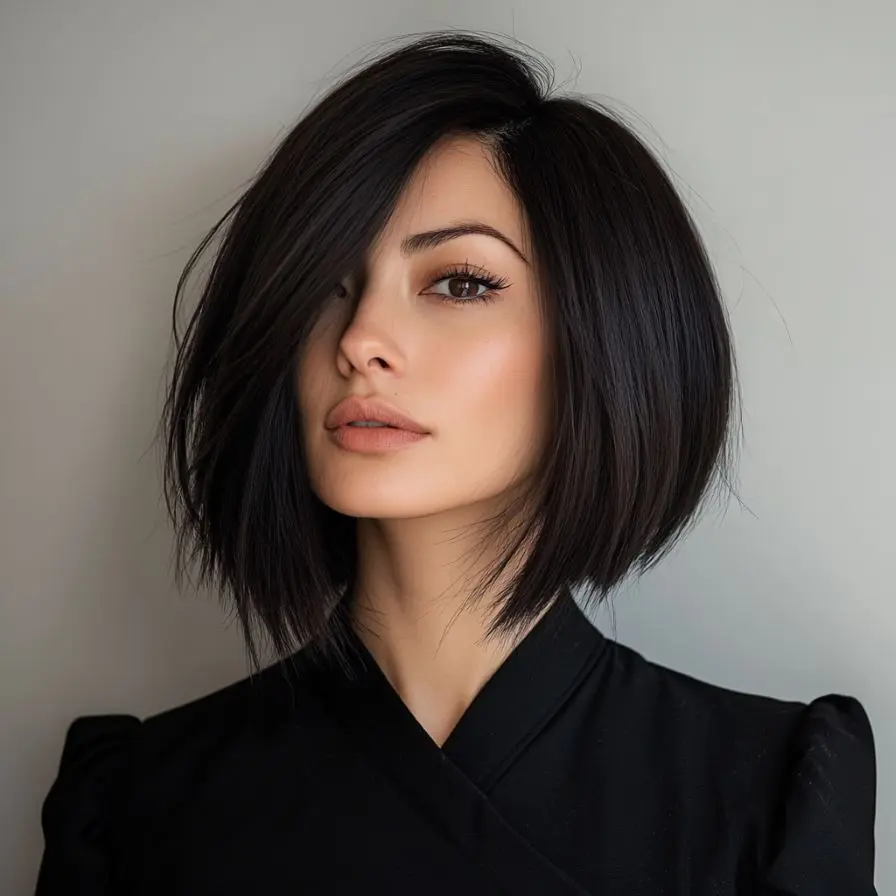
The Asymmetrical Lob takes the elegance of a lob and infuses it with modern attitude. With one side subtly longer than the other, this cut adds a touch of edgy sophistication while still maintaining the lob’s wearable length. It’s ideal for those who want a unique yet low-maintenance style that sets them apart without going too bold.
When clients ask me about the difference between lob and bob, I love highlighting the asymmetrical lob as a great middle ground. It keeps the versatility and softness of a lob while introducing a fashion-forward twist. Unlike the more evenly shaped bob, this cut creates natural visual interest, and it’s especially flattering on round and heart-shaped faces, where the asymmetry can balance and elongate features.
Styling Tip: To accentuate the angle, use a smoothing cream before flat ironing, and tuck the shorter side behind the ear for a sleek, editorial finish.
17. Shoulder-Length Lob
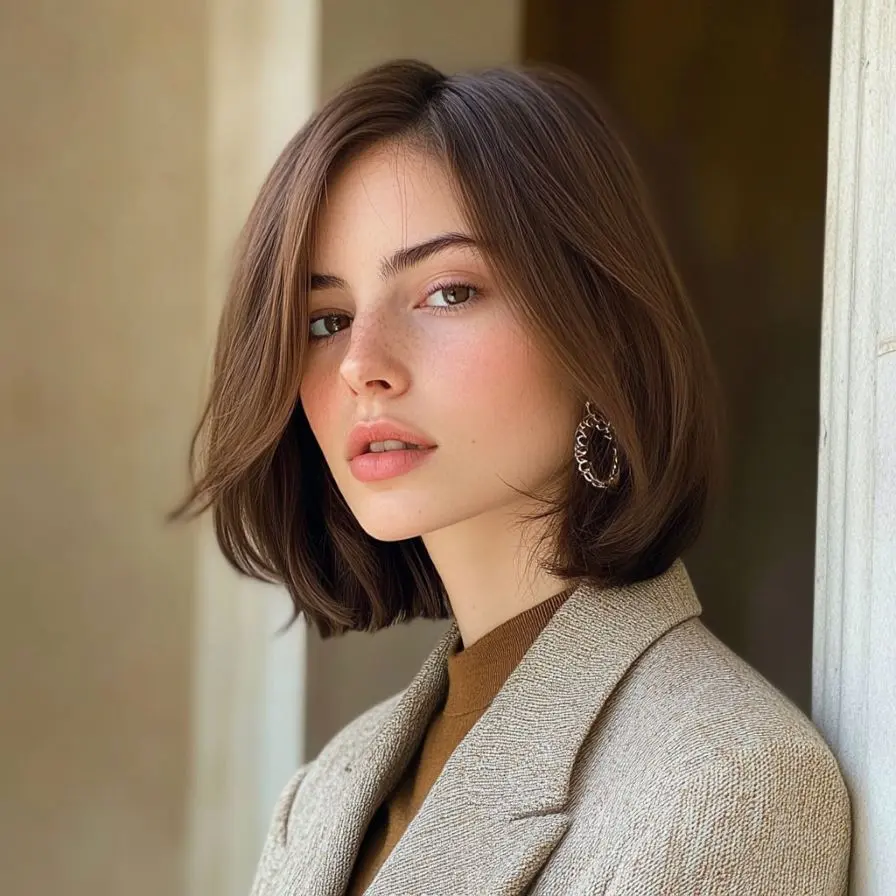
The Shoulder-Length Lob is the quintessential go-anywhere, do-anything haircut. Perfectly positioned at the shoulders, this version of the lob offers just enough length for updos and braids while keeping styling time to a minimum. Its balanced proportions make it an easy choice for those transitioning from longer styles or seeking a manageable alternative to short hair.
When clients ask about the difference between lob and bob, the shoulder-length lob is the prime example of how a lob offers greater flexibility without sacrificing shape. Unlike the classic bob, which typically ends at the jawline, this cut flatters nearly every face shape and hair texture — from straight and fine to wavy and thick. It’s also a favorite among professionals who need a polished yet adaptable look.
Styling Tip: Use a medium-barrel curling wand to add loose waves, then rake through with fingers for a relaxed, effortless finish that shows off the length.
18. Choppy Lob
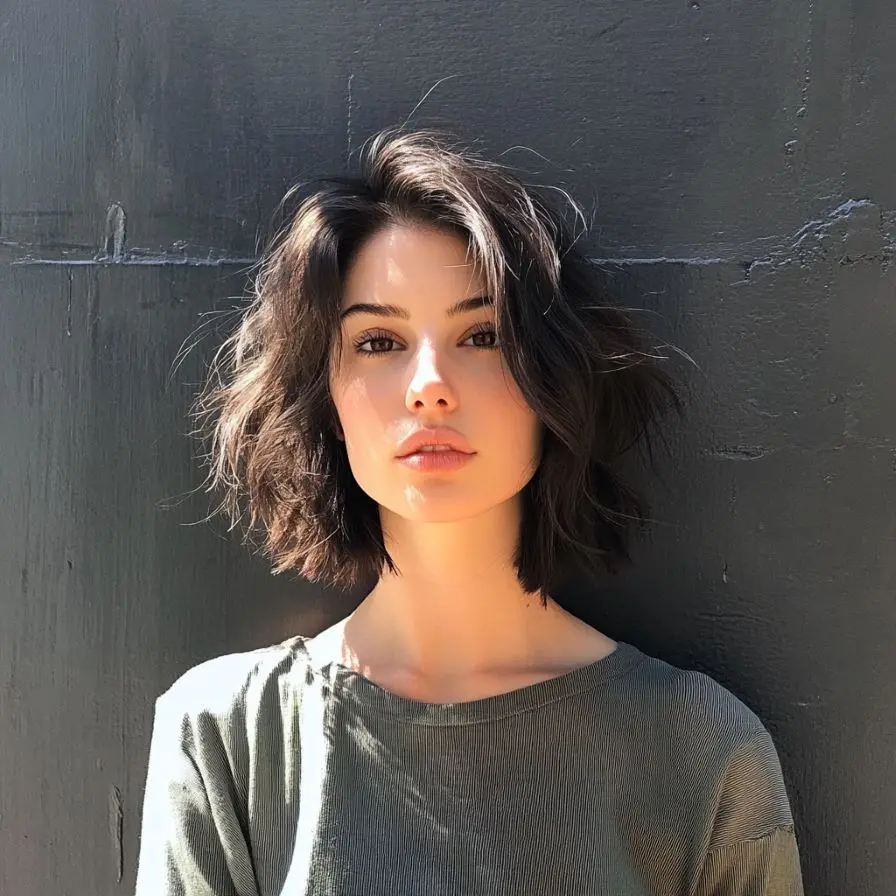
The Choppy Lob brings a playful, youthful edge to the classic long bob. This style features uneven, deliberately jagged layers that create an effortless, cool-girl aesthetic. It’s perfect for adding volume, shape, and that sought-after “lived-in” texture, especially for those with fine or limp strands.
When we talk about the difference between lob and bob, the choppy lob illustrates just how expressive and customizable lob styles can be. Compared to a clean-lined bob, this version leans into imperfect beauty, making it a go-to for clients who prefer their look a little more unstructured and free-spirited. It’s especially flattering for round and oval faces, as the choppy ends help add definition and soft contouring.
Styling Tip: Apply a matte texture spray and twist small sections around your fingers to define the layers — no need for perfection, the charm is in the messiness.
19. Curly Lob

The Curly Lob is a stunning fusion of shape and texture that celebrates the natural beauty of curls. Cut just around or below the shoulders, this lob is strategically layered to enhance curl definition, reduce bulk, and create a bouncy, rounded silhouette. It’s a dream for curly-haired clients seeking a manageable yet stylish haircut that brings out the best in their texture.
When explaining the difference between lob and bob, I love pointing out how the curly lob offers movement and freedom that shorter bobs often can’t provide. While bobs can sometimes shrink too much with tight curls, a lob allows the curl pattern to form naturally without compromising shape or length. It works beautifully on loose curls, coils, and ringlets, and it’s a favorite for those embracing their natural hair journey.
Styling Tip: After washing, apply a moisturizing curl cream and scrunch upward to define each curl — then let it air dry or use a diffuser for maximum bounce and softness.
20. Sleek Lob
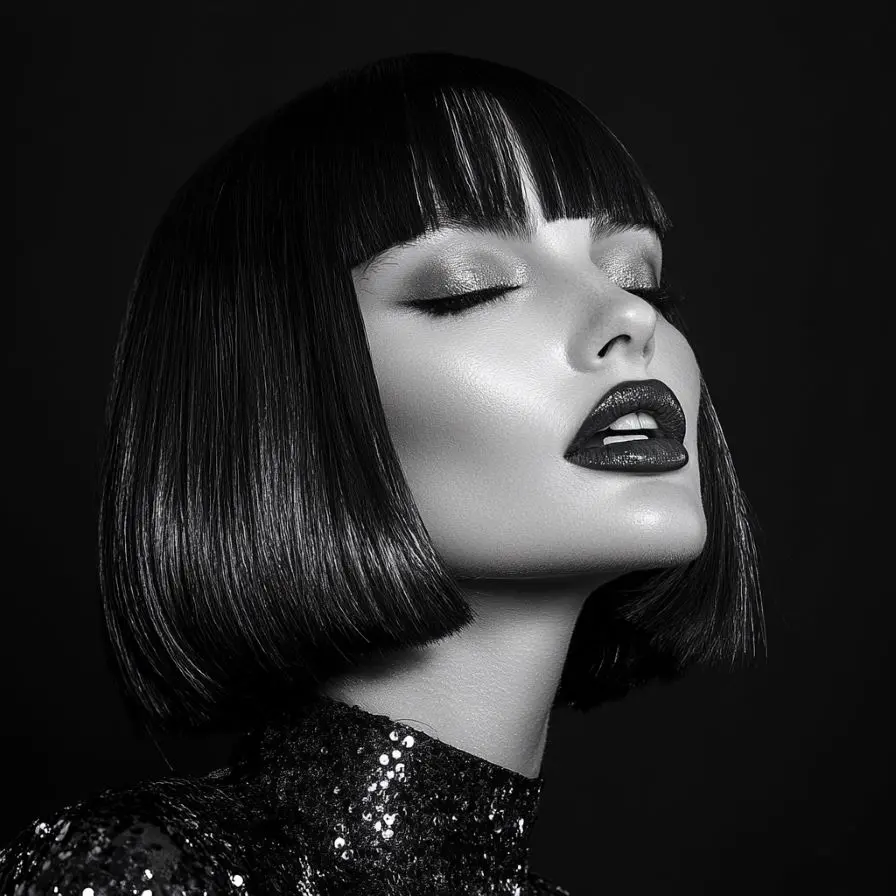
The Sleek Lob is the definition of modern refinement — clean, glossy, and impeccably straight. This version of the lob is all about sharp lines and high shine, offering a minimalist yet high-impact look that flatters almost every face shape. Its shoulder-grazing length makes it both versatile and manageable, ideal for those who crave a polished finish with a bit of edge.
When clients ask about the difference between lob and bob, the sleek lob often appeals to those who want the sophistication of a bob without the maintenance of frequent trims. Unlike the shorter bob that emphasizes sharp angles near the jaw, the lob gives just enough length to create a more elongated and elegant silhouette. It’s especially effective on straight or chemically treated hair, where the smooth texture can truly shine.
Styling Tip: Use a flat iron with a shine-boosting serum, and finish with a light mist of anti-humidity spray to maintain a sleek, frizz-free finish all day long.
Frequently Asked Questions
1. What is the biggest difference between lob and bob haircuts?
The biggest difference between lob and bob haircuts lies in the length. A bob typically ends at the jawline, offering a bold and structured appearance, while a lob — short for long bob — extends to the shoulders, delivering more versatility and softness. This added length in a lob also allows for styling options like ponytails and beach waves.
2. Which suits round faces better: a lob or a bob?
When exploring the difference between lob and bob, face shape plays a major role. For round faces, a lob often works better due to its elongating effect, drawing the eyes downward and giving the illusion of a longer face. A bob, especially when chin-length, can sometimes accentuate roundness unless it’s angled or asymmetrical.
3. Is the difference between lob and bob noticeable in thick hair?
Yes, the difference between lob and bob is especially noticeable in thick hair. A lob offers more room for layering and debulking, making it easier to manage. In contrast, a short bob may add too much volume at the base, unless carefully textured by a skilled stylist.
4. Can you transition from a bob to a lob easily?
Absolutely! Understanding the difference between lob and bob helps during the grow-out phase. A bob can smoothly transition into a lob with regular shaping trims. As your hair lengthens, you can gradually soften the style into a longer, more fluid shape without a dramatic change.
5. Which is lower maintenance: a lob or a bob?
In terms of maintenance, the difference between lob and bob really depends on your routine. Bobs need frequent trims to keep their defined shape, especially blunt or angled versions. Lobs, on the other hand, are more forgiving during grow-out, making them ideal for those seeking a low-maintenance haircut with styling flexibility.
Conclusion
In the end, the right choice between a bob or a lob comes down to your personal style, how much upkeep you’re comfortable with, and the kind of statement you want your hair to make. The difference between lob and bob may seem minor on the surface, but it can significantly influence how your haircut frames your features and fits into your daily routine. Both styles offer something beautiful — it’s just a matter of choosing the one that speaks to you. If you’re still unsure, a quick conversation with your stylist can help you tailor the cut to your lifestyle and bring your hair goals to life.
For expert-reviewed, dermatologist-backed information on skin, hair, and scalp health, visit DermNet New Zealand—a trusted resource curated by leading dermatologists.


